


Why Your Nissan’s Tire Pressure Light Comes on When It Gets Cold
Nissan Tire Pressure Light in Cold Weather: What Greenwood Drivers Should Do
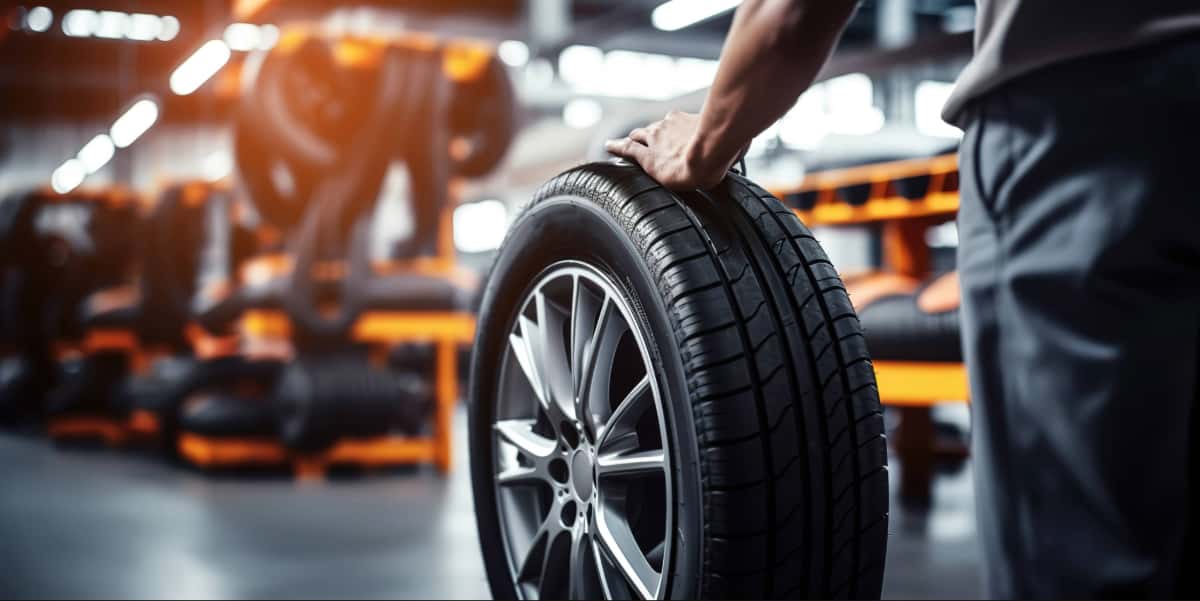
It happens every fall. You head out on the first crisp October morning, start your Nissan, and there it is: the little horseshoe-shaped light with an exclamation point in the middle. Yesterday your tires were fine. Nothing looks flat. So what changed overnight?
Usually, the answer is the weather. Here’s what’s going on, when you can relax, and when it’s time to have one of our technicians take a look.
Why Cold Weather Triggers Your Tire Pressure Light
Air contracts when it gets cold. As a rule of thumb, your tires lose about 1 PSI for every 10°F drop in temperature. That doesn’t sound like much until you think about a typical fall day in Greenwood and surrounding areas. An afternoon in the high 70s can turn into a morning in the 40s, and that swing alone can drop your tires by 3 or 4 PSI.
Your Nissan’s Tire Pressure Monitoring System (TPMS) is designed to warn you when a tire falls roughly 25 percent below its recommended pressure. If your tires were already running a little low from summer, a cold snap is often all it takes to push them past that threshold.
This is also why the light sometimes turns itself off by lunchtime. As you drive and the day warms up, the air in your tires expands again. The problem hasn’t gone away, though. Tomorrow morning, the light will likely be back.
Solid Light vs. Flashing Light: Know the Difference
Not every tire pressure warning means the same thing, so pay attention to how the light behaves.
- Solid light: One or more tires are under-inflated. Check your pressure and add air as soon as you can.
- Flashing light that then stays on: If the light blinks for about a minute after you start the car and then stays lit, that usually points to an issue with the TPMS itself, such as a failed sensor or a dead sensor battery. Adding air won’t fix it, and the system may not warn you if a tire actually does get low.
A flashing light is your cue to schedule service so our team can diagnose the sensor.
How to Check and Fill Your Tires the Right Way
Before you head to the air pump, keep these tips in mind:
- Use the number on your door jamb, not the tire. Your Nissan’s recommended pressure is printed on a sticker inside the driver’s door. The number on the tire sidewall is the maximum pressure the tire can handle, not what your vehicle needs.
- Check your tires cold. For the most accurate reading, check pressure before you drive or after the car has been parked for a few hours.
- Don’t forget the spare. If your Nissan has one, cold weather affects it too.
Nissan’s Easy-Fill Tire Alert Makes It Simple
Many Nissan models come equipped with Easy-Fill Tire Alert, including every trim of the 2026 Nissan Rogue. It takes the guesswork out of filling up.
With your Nissan in Park and the ignition on, start adding air. Your hazard lights will flash while you fill. When the tire reaches the correct pressure, the horn chirps to let you know you’re done. No gauge, no guessing, and no running back and forth to check the reading. If you overfill, the system lets you know that too.
Not sure whether your Nissan has it? Check your owner’s manual, or just ask us at your next visit.
When It’s Not Just the Weather
Cold temperatures explain a lot, but not everything. If one tire keeps losing air faster than the others, or the light comes back on within a day or two of filling up, something else may be going on:
- A nail or screw in the tread causing a slow leak
- A worn or damaged valve stem
- A leak around the rim, sometimes from corrosion or a bent wheel
- An aging TPMS sensor, since sensor batteries typically last several years
A slow leak is easy to ignore until it isn’t. Catching it early can save you from a flat on the side of Highway 72 or I-26.
Your Fall Tire Checklist for Greenwood Drivers
Fall is the perfect time to give your tires some attention before holiday travel season. Game day drives to Clemson, trips to see family for Thanksgiving, and cold mornings all put your tires to work. Before then, make sure you:
- Check tread depth. Place a penny head-first into the tread. If you can see all of Lincoln’s head, it’s time to start shopping for new tires.
- Rotate your tires. Regular rotation helps them wear evenly and last longer.
- Get an alignment check. Uneven wear on one edge of a tire often signals an alignment issue.
- Look for cracks or bulges. Sidewall damage is a safety risk and shouldn’t wait.
Let Quality Nissan Handle Your Fall Tire Service
If your tire pressure light won’t stay off, your tires look worn, or you want peace of mind before the weather turns, the service team at Quality Nissan of Greenwood is here to help. We can check your pressure, inspect your TPMS sensors, rotate your tires, and help you find the right replacement tires for your Nissan.
Explore our tire services, check out our latest service specials, or schedule your appointment online. You can also call our service department at (864) 432-5106. We’re located at 1724 Montague Ave Ext in Greenwood, SC.
0 comment(s) so far on Why Your Nissan’s Tire Pressure Light Comes on When It Gets Cold